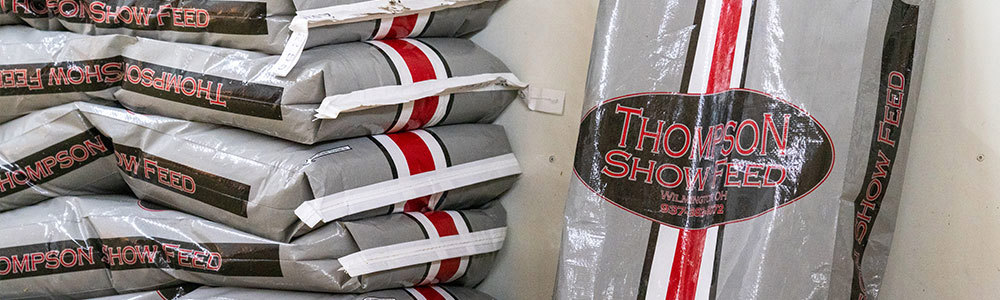
Every 4-H and FFA livestock project has one thing in common: at some point, you have to tear the paper tag off a bag of feed and tape it into your record book. To many, it looks like a wall of fine print. But to a true stockman, that tag is a roadmap. It tells you exactly what you are putting into your animal and, more importantly, how to keep that animal safe and show-ring ready.
Key Takeaways
- The Guaranteed Analysis is a legal commitment of the minimum or maximum levels of nutrients in the bag.
- Protein, Fat, and Fiber are the "Big Three" that determine your animal's growth and finish.
- Medicated labels require extra attention to "Withdrawal Periods" to ensure show-day eligibility.
- The Ingredient List shows what sources are providing the nutrients, from grain to minerals.
- Understanding your tag is a key part of your 4-H or FFA project interview.
When a judge asks, "What are you feeding?" they aren't just looking for a brand name. They want to know you understand the nutrition powering your project.
The Anatomy of a Feed Tag
Every livestock feed label follows a specific format required by law. Whether you are feeding Thompson Show Feed or a national brand, the layout will be similar.
1. The Product Name and Purpose
This is at the very top. It tells you the species (Swine, Cattle, Goat) and the stage of life (Starter, Grower, Finisher).
Pro Tip: Make sure the "Purpose Statement" matches the animal in your barn!
2. The Guaranteed Analysis
This is the most important section for your project book. It lists the nutrient levels the manufacturer guarantees are in the bag.
- Crude Protein: Building blocks for muscle.
- Crude Fat: The energy source that creates "bloom" and finish.
- Crude Fiber: Essential for rumen health in cattle/goats and gut health in pigs.
3. The Ingredient List
This section tells you where the nutrition comes from. At Thompson, you'll often see high-quality grain products listed here. Ingredients are listed in order of weight, from most to least.
Medicated Feeds and Safety
Many show feeds contain medications to prevent coccidiosis in goats/cattle or respiratory issues in pigs. If your tag says "MEDICATED" in bold letters, you must pay attention to two things:
Active Drug Ingredient
This tells you exactly what medication is in the feed (like Decoquinate or Monensin). You need to know this in case your animal requires a different veterinary treatment later—some medications cannot be mixed.
Withdrawal Period
This is the most critical part of the label for show day. The withdrawal period is the amount of time the animal must be off the medicated feed before it can be harvested or shown.
Safety First: If a label says "5-day withdrawal," your animal must eat non-medicated feed for at least five full days before the show. Many Thompson show rations have a "0-day withdrawal," but always double-check your specific tag!
Why This Matters for Your Project Book
When you sit down for your 4-H or FFA project interview, the judge might point to the tag in your book and ask:
"Why did you choose a 16% protein feed instead of an 18%?"
"Is this feed medicated? If so, what is the withdrawal time?"
Being able to answer these questions shows that you aren't just "pouring feed," you are managing a project.
FAQ for Your Record Book
What is "Guaranteed Analysis" and why does it matter?
The Guaranteed Analysis is a legal list of the nutrient levels in the feed. It matters because it ensures your animal is getting the specific balance of protein, fat, and minerals needed for their stage of growth.
How do I know if my feed has medication in it?
If a feed is medicated, the word "MEDICATED" will be printed in large, bold letters right under the product name. It will also list the "Active Drug Ingredient" and the specific purpose for that medication.
What is a withdrawal period, and why is it critical for show day?
A withdrawal period is the time required between the last day the animal eats the medicated feed and the day they are shown or harvested. This ensures that no drug residues remain in the animal, which is vital for food safety and passing show-day drug tests.
Why is the "Ingredients" list sometimes vague (like 'grain products')?
Commonly referred to as "Collective Terms," these allow mills to use a variety of high-quality grains depending on seasonal availability without changing the tag every week. This helps keep feed prices stable while maintaining the Guaranteed Analysis.
How do I use the feed tag to fill out my 4-H or FFA project book?
Use the tag to fill out your "Feed Record" section. You should record the protein and fat percentages, the brand name, and keep track of any medications for your "Health Record" page.