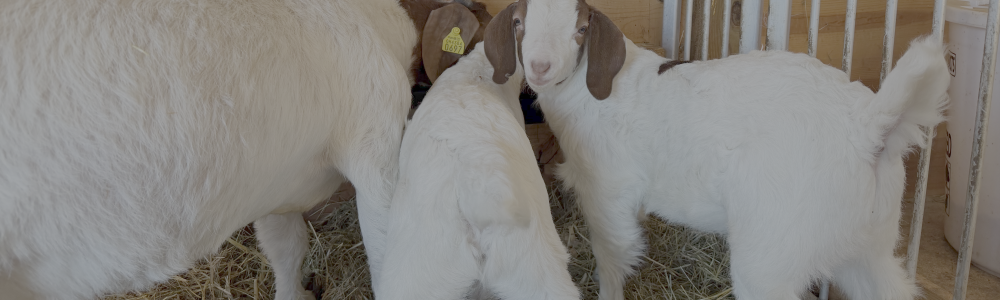
The weeks immediately after weaning represent the most critical window in raising competitive FFA and 4-H show goats. Proper nutrition during this phase drives muscle development, efficient growth, immune health, and long-term performance. Goats receiving consistent, high-quality nutrition after weaning grow more predictably, stay healthier, and give youth exhibitors the best foundation for success.
Key Takeaways
-
Post-weaning nutrition creates lasting impacts on growth trajectory, muscle expression, and overall health
-
Weaning triggers significant stress—goats need steady, highly digestible feed to navigate this transition
-
Consistent daily intake trumps aggressive pushing for rapid weight gains
-
Strong nutritional foundations produce goats that are manageable and reliable for youth exhibitors
-
Quality feeding programs minimize setbacks and help goats reach show weight on schedule
For producers raising goats destined for FFA or 4-H projects, your reputation hinges on delivering animals that perform. That success doesn't begin when families pick up their project goats. It starts the day you wean.
The post-weaning phase is your most powerful leverage point. This is when goats transition from milk dependency to complete feed-based nutrition, adapt to new social dynamics, and lay down the muscle and skeletal structure that will define their show ring potential.
Getting nutrition right during these critical weeks doesn't just improve average daily gains. It builds healthier, more predictable goats that give youth exhibitors and their families confidence throughout the entire project period.
Why the Weaning Phase Sets the Tone
Weaning ranks among the most physiologically demanding events in a young goat's life. During this compressed timeframe, kids simultaneously navigate:
Complete dietary restructuring from milk to solid feed
Social stress from maternal separation
New housing environments and pen mates
Elevated disease susceptibility during immune transition
When nutrition falters during this window, the consequences compound. Goats may experience weight loss, stalled growth, or inconsistent feed intake. These early stumbles rarely stay hidden. They resurface months later as:
-
Underdeveloped muscle structure and poor expression
-
Difficulty achieving target finish weights on schedule
-
Increased susceptibility to respiratory and metabolic challenges
-
Uneven growth patterns that complicate feeding decisions
Robust nutrition immediately post-weaning buffers stress, maintains momentum, and keeps development on track.
Nutritional Priorities Right After Weaning
After weaning, goats require a precisely balanced diet supporting simultaneous demands: skeletal growth, lean tissue deposition, digestive adaptation, and immune function.
Essential Nutrition Components:
High-Quality Protein
Supports rapid muscle fiber development and nitrogen retention. Look for feeds delivering 16-18% crude protein from highly digestible sources.
Balanced Energy
Promotes consistent gains without excessive fat deposition. Energy density should match growth rate goals while maintaining body condition.
Digestive Support
Protects developing rumens during the critical transition period. Highly digestible fiber sources and stable starch levels prevent digestive upset.
Mineral and Vitamin Fortification
Supports bone development, immune response, and metabolic efficiency. Copper, zinc, selenium, and vitamin E deserve particular attention.
A complete, well-formulated goat feed simplifies management for both producers and the families who eventually purchase these animals. Consistency in formulation eliminates guesswork and stabilizes intake patterns.
Building Muscle, Frame, and Growth the Right Way
Early nutrition doesn't merely influence size. It fundamentally shapes the type of animal you're marketing.
Goats receiving proper post-weaning nutrition characteristically:
-
Develop more uniform dimensions and balanced structure
-
Build lean tissue while expanding skeletal frame
-
Respond predictably to ration adjustments as they mature
-
Maintain soundness and athletic movement
-
Handle the stress of relocation and new feeding programs
Rather than aggressively pushing early gains, prioritize controlled, steady growth trajectories. Goats growing at consistent, moderate rates prove far easier for youth exhibitors to manage as show season approaches. They tolerate ration changes better, maintain condition more reliably, and present fewer management challenges.
This measured approach also protects structural soundness. Rapid growth on young bones and joints creates risks that may not appear until goats are already in project homes.
Avoiding Common Post-Weaning Mistakes
Several management errors can permanently limit a goat's competitive potential:
Feed Inconsistency
Switching rations frequently or using variable ingredient quality disrupts rumen adaptation and stalls growth. Stick with proven formulations.
Inadequate Bunk Space
Overcrowding at feeders creates competition stress and reduces intake in subordinate animals. Ensure every goat can eat simultaneously.
Erratic Feeding Schedules
Young goats thrive on routine. Irregular feeding times create metabolic stress and reduce feed efficiency.
Poor Water Management
Insufficient or dirty water directly limits feed intake and rumen function. Clean, fresh water should always be available.
Reactive Health Management
Waiting until problems become obvious often means intervention comes too late. Proactive health monitoring and preventive protocols pay dividends.
Young goats need stability. Consistent feeding times, clean water access, and a proven ration create the foundation for optimal development during this vulnerable phase.
Preparing Goats for Success as FFA & 4-H Projects
Families investing in youth livestock projects want animals that deliver positive experiences. They're looking for goats that:
-
Establish reliable eating patterns quickly
-
Grow predictably without constant troubleshooting
-
Stay healthy under various management styles
-
Respond well to structured feeding programs
-
Build exhibitor confidence through consistent performance
Providing exceptional nutrition after weaning positions your goats to excel across diverse management scenarios. Animals with strong nutritional foundations require fewer dramatic interventions later, adapt to new environments more smoothly, and give youth exhibitors the reliability they need while learning livestock skills.
This marketability advantage matters. Satisfied families become repeat customers and refer others. Goats that perform well enhance your reputation as a producer who prioritizes quality.
FAQ
How quickly should goats transition to complete feed after weaning?Begin transitioning during the week before weaning if possible. By weaning day, goats should already be consuming significant amounts of their complete feed. This minimizes digestive disruption and maintains intake.
Should I push for rapid early gains or focus on consistency?
Consistency wins decisively. Steady, moderate growth builds superior muscle structure, protects skeletal soundness, and produces more manageable animals long-term. Aggressive early pushing often creates problems that emerge later.
What feeding frequency works best for recently weaned goats?Most operations succeed with twice-daily feeding or continuous access to feed, depending on management style and facility design. The key is maintaining consistent timing and ensuring all goats can eat without excessive competition.
Does early nutrition really influence show performance months later?
Absolutely. Muscle fiber development, skeletal dimension, metabolic efficiency, and immune competence all trace back to nutrition during the post-weaning phase. Early advantages compound over time.
What are the warning signs that post-weaning nutrition isn't working?
Watch for inconsistent intake, uneven growth among pen mates, rough hair coats, low energy levels, or any respiratory issues. These signals often indicate nutritional deficiencies or imbalances requiring attention.
Conclusion
Raising competitive goats for FFA and 4-H projects demands strategic decisions well before show season. The post-weaning phase represents your most influential opportunity to shape long-term outcomes. By prioritizing consistent, high-quality nutrition during these critical weeks, you'll raise goats that grow efficiently, stay healthy, handle stress effectively, and give youth exhibitors the confidence they need to succeed.
Exceptional show goats aren't created by chance or last-minute interventions. They're systematically developed from day one, starting with smart nutrition immediately after weaning.
Ready to Raise Goats That Perform?
Thompson Show Feed's goat nutrition programs are designed to support optimal development from weaning through show day. Our formulations provide the precise balance of protein, energy, minerals, and digestive support that competitive goats need during their most critical growth phases.
Explore our complete line of goat feeds and supplements: 👉 thompsonshowfeed.com/goats
Give your customers' projects the foundation they deserve.